Tanking & below-grade
Ground water doesn't
stop when the rain does.
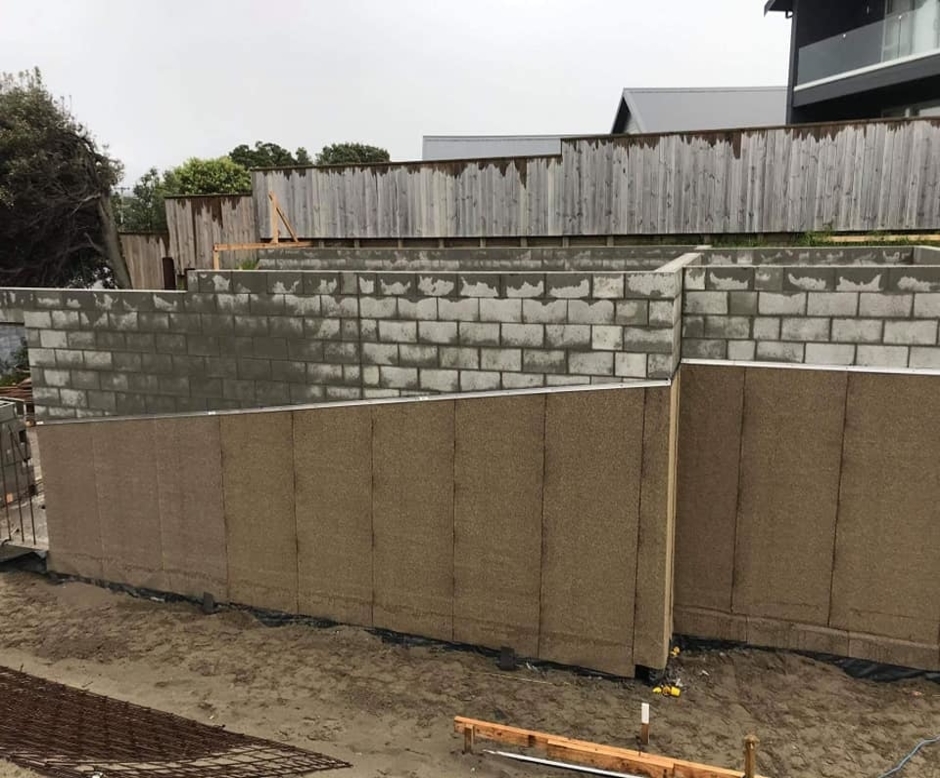
Tanking is a different problem from roofing. A roof sheds water; a basement wall sits in it, under constant hydrostatic pressure, often for the life of the building. That means the system has to go on the positive side — the outside — and every junction, penetration and cold joint has to be detailed before the hole gets filled in.
The usual causes of failure are the same ones every time: a membrane terminated at the wrong height, a service penetration sealed with the wrong product, a cold joint between slab and wall that was never treated. None of it is visible once the backfill goes back, which is why timing matters more here than on almost any other job.
Depending on the situation we use Bituthene, Preprufe, Volclay, Hydrepoxy or a torch-on system. Where a basement is already leaking and excavation isn't realistic, we can work from the inside with negative and crystalline systems instead — it's the harder route, and we'll be straight with you about what it will and won't achieve.